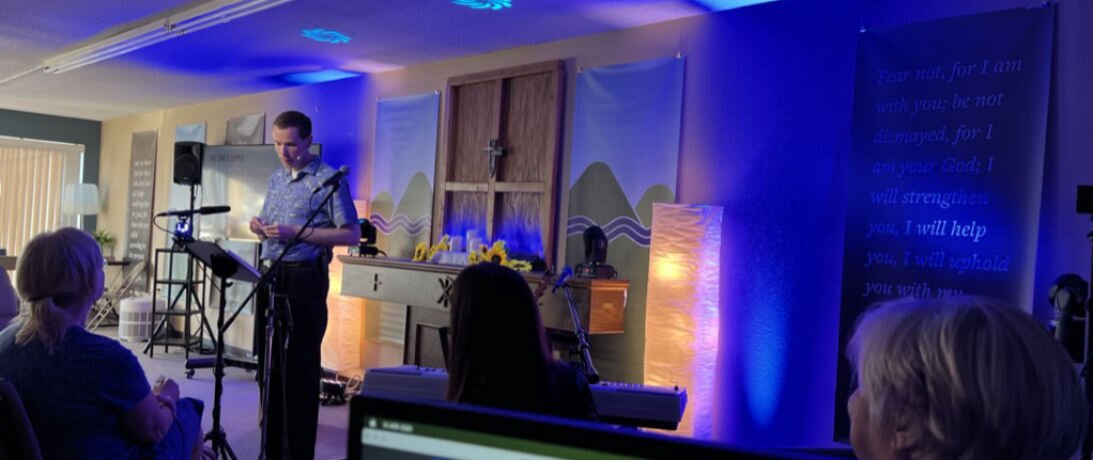
If you have ever put your foot in your mouth, chased recognition, or failed when courage mattered, you may wonder whether God can still entrust you with meaningful work. In 1 Peter 5:1–5, the apostle once notorious for fumbling addresses the care of God’s people—and the ambition, reluctance, and pride that can distort it.
It is easy to look at a life that way and decide you are not ready to speak for God—too inexperienced, too uncertain, too likely to say it wrong. Jeremiah 1 opens with a prophet making exactly that case — and God’s answer to him.
They tell you to sit down before they speak. When Nehemiah heard the remnant lived in affliction and reproach, the wall of Jerusalem broken down and the gates burned with fire, the strength of his legs gave out. He wept, mourned many days, fasted, and prayed—knocked down by the news, God’s work still before him. Nehemiah 1 presses a question every overwhelmed heart knows: what do you do when the need is undeniable and your strength is gone?
A child at a pond knows the drill: rod, reel, line in the water. Then something tugs. Knowing how to cast is not the same as being ready for the catch. In Matthew 10, Jesus takes his “Fishers of Men” and gives them further preparation for an even more important catch.
We all want our lives to mean something—to make a name for ourselves that people will actually remember. The builders at Babel in Genesis 11 wanted exactly that, and the choice they made raises an uncomfortable question for anyone who’s ever chased significance: is the tower you’re building any different from theirs?
Most of us know our own dirt isn’t the curated kind—and suspect it may be too much to clean up. In Matthew 9, Jesus walks past everyone with the polished-for-consumption sob story and stops at a tax collector’s booth, a man whose sin was public knowledge, and says simply, “Follow me.”
When fear turns fierce and foundations feel destroyed, the counsel comes easy: flee like a bird to your mountain. In Psalm 11 David meets that advice head-on, asking how anyone can say it to his soul when he already takes refuge in the Lord.
We can be full of hope and still put that hope in plans, forecasts, and outcomes that never arrive. When disappointment turns us into expert worriers—or convinces us that life will only get worse—we’re reminded to look to our true hope and the Power behind it.
In the movies, every important meeting starts with a clear “You may be wondering why I’ve called you here today.” Real meetings leave you guessing the whole time—and sometimes long after. We often treat God’s Word the same way, yet Ephesians 1 addresses the question head-on: why are you here?
We all know what it’s like to chase after things that look like they’ll satisfy—achievements, credentials, the sense that we’ve finally earned our place. Ephesians 1:1 stops that chase cold, pressing the question of where our calling and our life as God’s people actually come from.