LIVE Join our service streaming live right now! Click here to watch.
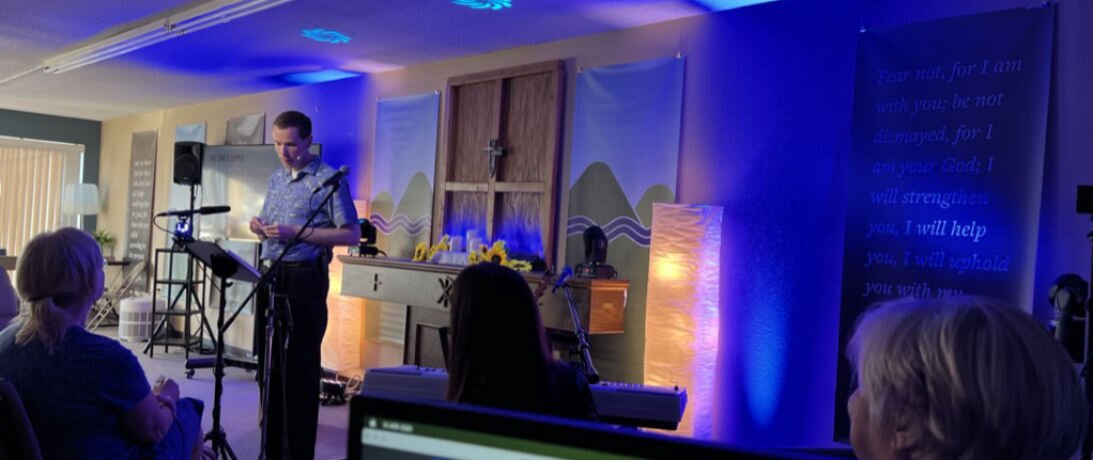
What causes us to be anxious? What is the solution? Pastor Tim Krenning helps us think about Jesus’s call to trust Him.
Where are we looking for “treasure”? Here on earth or are we looking toward our God?
Jesus urges us to be those who pray to forgive and be forgiven when we pray. What does that mean about who we are?
The Lord’s Prayer encourages us to see how we should related to God, His Kingdom and our needs.
Most of us know what it feels like to pray with one eye on the people around us—wondering whether we sound holy enough, reaching for language we’d never use in ordinary conversation. In Matthew 6, Jesus warns us that prayer aimed at impressing an audience—human or divine—has already received its only reward.
We can do the right thing and still face an uncomfortable question: are we doing it because God called us, or because we want people to notice? In Matthew 6, Jesus assumes his people will give to those in need, then warns that even this good act can become a way of practicing righteousness “to be seen by others.”
Most of our days do not feel like turning points in history; they feel like errands, obligations, and familiar routines, leaving us to wonder whether our lives matter in any story beyond our own. Those on a pilgrimage to Jerusalem in Acts 2 might have wondered the same thing.
Why does it seem like we declare God’s victory, and yet it often doesn’t feel very victorious? When Christmas joy collides with year-end weariness and plans that never quite landed, Revelation 12 can help us better understand where that elusive victory really is.
When carefully made plans fall apart, we can start to wonder whether anyone has both the power and the care to make things right. John 1 takes us back before creation, declaring that the Word was God and then became flesh to dwell among us. What does that mean for the “ifs” we bring to God when life feels beyond repair?
How did Mary wrap her mind around who Jesus is? How do we?